The Urban Canopy
A single street tree is easy to overlook. Seen together from above, the same trees form a canopy — the layer of leaves and branches that covers part of a city. Canadian municipalities increasingly describe this canopy as infrastructure, something to be inventoried and maintained rather than left to chance, and reading it is a natural extension of identifying the trees themselves.
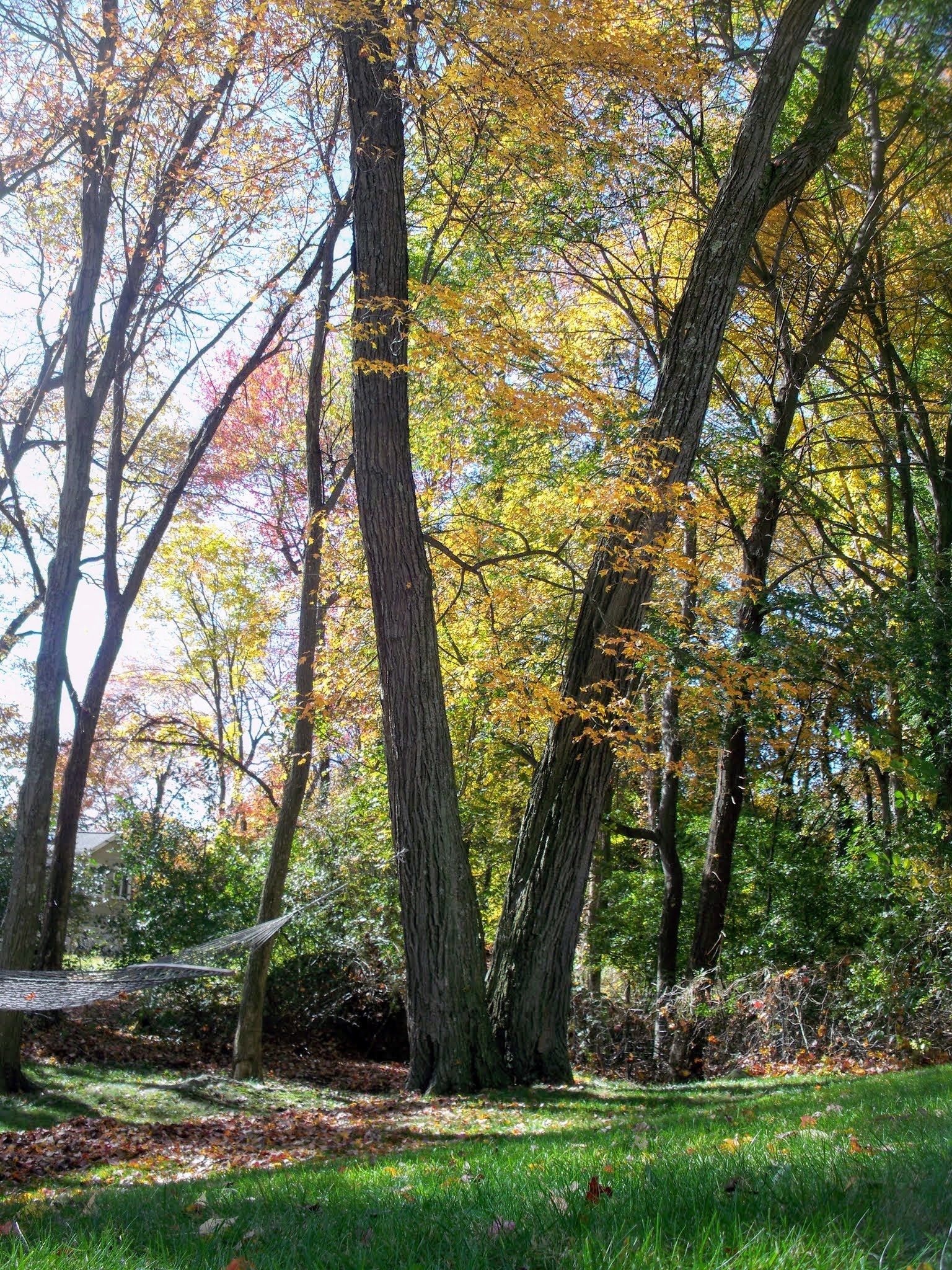
What "canopy cover" means
Canopy cover is the share of ground that would be shaded if you looked straight down at the leaves. Cities estimate it from aerial imagery and use it to compare neighbourhoods and track change over time. The value of the canopy is practical and local:
- Shade and cooling: leaf cover lowers surface and air temperature on hot streets.
- Stormwater: leaves and roots intercept rain and slow runoff into drains.
- Habitat and texture: mixed-age, mixed-species streets support more urban wildlife than a single planted clone.
Streets planted heavily with one species are vulnerable to a single pest. The loss of many ash trees to the emerald ash borer across parts of eastern Canada is the case most often cited when cities argue for mixed plantings.
Seasonal change reads differently in a city
In a forest, autumn arrives as a broad wash of colour. Along a street, change is staggered tree by tree, because each was planted at a different time, sits in a different amount of pavement, and receives a different amount of reflected heat and night light. The result is a longer, more uneven season:
- Spring: maples and poplars leaf out early; oaks are characteristically late.
- Summer: full canopy; the cooling effect is strongest on the most heavily planted blocks.
- Autumn: maples turn first and most vividly; birches go clear yellow; oaks hold brown leaves into winter.
- Winter: structure and bark take over as the things worth reading.
Reading a street the way you read a tree
The same habit that names a single tree scales up. Walk a block and note the dominant species, the spread of ages, and the gaps where a tree has been removed and not replaced. Those gaps are where a canopy quietly shrinks.
For the public side of this work — municipal tree planting, stewardship, and canopy programs — Tree Canada publishes accessible material, and Natural Resources Canada covers the wider forest context that urban canopies sit within.